Cryptocurrency Basics for Beginners
Cryptocurrency basics cover digital money secured by cryptography on a decentralized network, enabling peer-to-peer transfers without central authorities. The essentials include wallets, private keys, and public addresses, plus the importance of secure storage and verification. Beginners should understand how exchanges work, verification requirements, and the role of personal wallets, preferably with hardware devices. Safety matters to avoid scams, yet practical steps remain nuanced, leaving the reader with questions to resolve as they consider the next moves.
What Is Cryptocurrency, and Why It Exists
Cryptocurrency is a digital form of money that relies on cryptography and a decentralized network to enable peer-to-peer transactions without central control by banks or governments.
What is cryptocurrency? It represents a programmable asset class designed for global transfer.
Why it exists: to enable secure, permissionless value exchange.
Step by step for beginners: stay informed, understand wallets and keys, and avoid common crypto mistakes.
How Wallets and Keys Work (Safely Accessing Your Funds)
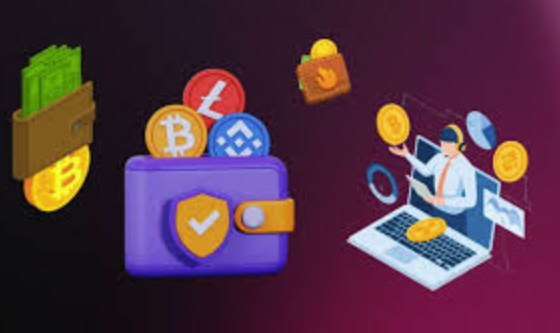
A wallet and its keys are the core tools for accessing and authorizing cryptocurrency funds, with the private key proving ownership and the public address serving as a destination for transfers. Security relies on secure storage and disciplined key handling; private keys must remain private.
Hardware wallets, seed phrases, and offline backups strengthen resilience, reducing risk while empowering informed, liberated financial control.
How to Buy and Use Crypto (Step-by-Step for Beginners)
Purchasing and using crypto begins with selecting a reputable exchange or broker, creating an account, and completing identity verification as required. The process emphasizes buying basics: learners fund their account, place a purchase order, and understand fee structures.
After acquisition, users secure assets by practicing wallet security, transferring funds to personal wallets, and reviewing transaction records for transparency and freedom-focused ownership.
Staying Safe and Avoiding Common Crypto Mistakes
Reputable platforms, vigilant verification, and careful key management underpin security best practices.
Staying safe involves multi-factor authentication, regular software updates, and hardware wallets when possible.
Avoiding scams requires skepticism, cross-checking sources, and avoiding impulsive transfers or public Wi‑Fi exposures.
Frequently Asked Questions
How Do Taxes Apply to Cryptocurrency Gains and Losses?
Tax treatment varies by jurisdiction, but generally crypto gains are taxable events and losses may offset gains. Loss harvesting strategies can reduce taxable income, though rules differ; consult a tax professional and authoritative sources for precise, jurisdiction-specific guidance.
What Is Blockchain Scalability and Its Real-World Impact?
Blockchain scalability refers to capacity limits in processing transactions; real-world impact includes higher fees and delays during spikes. Scalability bottlenecks hinder user experiences, while cross chain interoperability aims to enable seamless asset movement across networks, enhancing freedom and efficiency.
See also: newshuman
Can I Use Crypto for Everyday Purchases Today?
Yes, but limited and variable; some merchants accept crypto, while most do not. Use case examples include gift cards, payroll, and online purchases. Daily usage feasibility depends on locale, payment rails, and exchange integration.
How Do I Evaluate Crypto Projects I Invest In?
An ancient smartphone rings as a reminder: evaluate tokenomics and assess team credibility; the method remains disciplined. The detached reader notes objective, sourced criteria, risk disclosure, and diversified due diligence to inform prudent crypto project investments.
What Happens if a Crypto Exchange Goes Bankrupt?
If a crypto exchange goes bankrupt, customers may face incomplete asset recovery; outcomes vary by jurisdiction. Exchange bankruptcy, customer protections, and creditor priority determine access to funds, insurance, and timelines. Sourced analyses emphasize transparency, orderly wind-down, and verifiable audits.
Conclusion
Cryptocurrency operates as a decentralized, cryptographically secured digital money system, enabling peer-to-peer transfers without central authorities. The enduring truth is that control rests with users: private keys grant access, while public addresses receive assets. Practical safety hinges on prudent custody—prefer hardware wallets, robust backups, and careful verification of services. By selecting reputable exchanges and transferring funds to personal wallets, beginners reduce risk and build resilience, reinforcing that informed stewardship—not novelty—is foundational to sustainable, private, and reachable digital value.